A well-designed outdoor space can completely transform how you experience your home. Whether you want a place to entertain guests, relax with family, or simply enjoy the beauty of your surroundings, combining concrete features with thoughtful landscaping creates a space that is both practical and visually appealing. The key is to approach the project with a clear plan, choosing materials and features that not only look great but also stand the test of time.
This guide walks you through actionable steps to design and build an outdoor area that is functional, durable, and easy to maintain. From planning layouts to selecting materials and maintaining your space, each section offers practical tips you can apply right away.
Start With a Purpose-Driven Outdoor Layout Plan
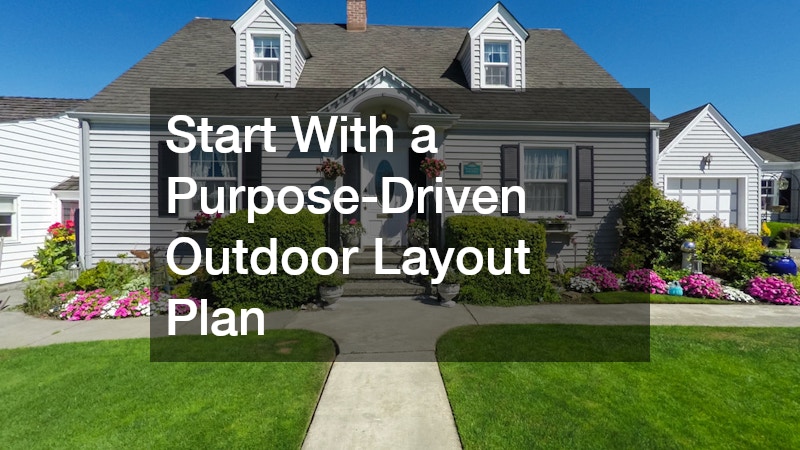
Before breaking ground, it’s essential to define exactly how you want your outdoor space to function. A clear layout ensures that every element serves a purpose and contributes to a cohesive design.
Start by identifying your priorities. Ask yourself:
- Will this space be used for entertaining, relaxing, or dining?
- Do you need designated zones for kids or pets?
- How much maintenance are you willing to commit to?
Once you’ve established your goals, sketch a rough layout. Include areas for seating, walkways, greenery, and utilities. Even a simple drawing can help you visualize flow and spacing.
Working with a local concrete contractor at this stage can help you avoid costly mistakes. They can assess grading, drainage, and structural requirements to ensure your design is feasible and long-lasting.
You’ll also want to consider how water will be distributed throughout your yard. Planning for an irrigation system early prevents the need for disruptive installations later. A well-designed system ensures your plants stay healthy without wasting water.
Actionable tips:
- Use graph paper or design apps to scale your layout
- Plan for natural traffic flow between areas
- Leave space for future upgrades
- Position utility elements out of sight but easily accessible
Choose Durable Concrete Features That Add Functionality
Concrete is one of the most versatile and durable materials for outdoor spaces. It provides a solid foundation for patios, walkways, and driveways while offering a range of design options.
When selecting concrete features, consider both function and style. Stamped or stained finishes can mimic natural stone or brick while maintaining the strength of concrete. This allows you to achieve a high-end look without sacrificing durability.
Incorporating outdoor fireplaces into your design can dramatically increase usability. They provide warmth, create a focal point, and make your outdoor space enjoyable year-round.
For areas prone to drainage issues or erosion, bull rock is an excellent addition. These smooth, rounded stones are ideal for:
- Creating decorative borders
- Improving drainage around patios
- Preventing soil erosion in sloped areas
Practical considerations:
- Choose slip-resistant finishes for safety
- Seal concrete surfaces to prevent cracking and staining
- Use expansion joints to accommodate temperature changes
- Combine textures for visual interest
Design Comfortable Gathering Spaces for Everyday Living
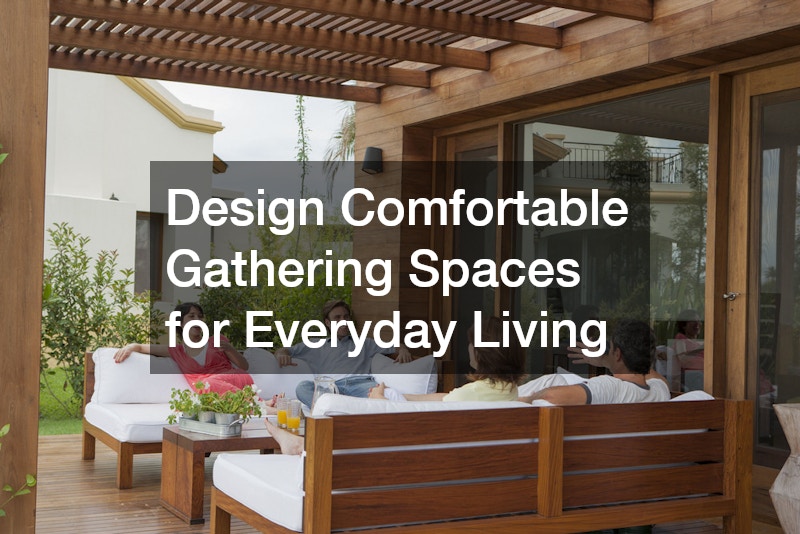
Creating inviting gathering areas ensures your outdoor space gets used regularly. Comfort should be a top priority, especially if you plan to spend long periods outside.
Start by selecting the right location. Look for areas that offer natural shade or can easily accommodate shade structures like pergolas or umbrellas. Consider wind direction and sun exposure throughout the day.
Outdoor fireplaces can enhance comfort and extend the usability of your space into cooler months. Position them strategically so they provide warmth without overwhelming the seating area.
When arranging furniture, focus on creating conversation-friendly layouts. Avoid placing seating too far apart, and ensure there’s enough space to move around comfortably.
Tips for maximizing comfort:
- Use weather-resistant cushions and fabrics
- Add layered lighting for ambiance and safety
- Incorporate side tables for convenience
- Choose flexible seating options for different group sizes
Install Smart Watering Solutions for Low-Maintenance Landscaping
Efficient watering is essential for maintaining a healthy landscape without excessive effort. A well-designed irrigation system can save time, reduce water waste, and keep your plants thriving.
There are several types of systems to consider:
- Drip irrigation for garden beds and shrubs
- Sprinkler systems for lawns
- Smart controllers that adjust watering based on weather conditions
Zoning your yard allows you to tailor watering schedules to specific plant needs. For example, shaded areas typically require less water than sun-exposed sections.
Key benefits of automation:
- Consistent watering schedules
- Reduced risk of overwatering
- Lower utility bills
- Healthier plants with less effort
Maintenance is also important. Regularly check for leaks, clogged emitters, and proper coverage to ensure your system operates efficiently.
Protect and Enhance Greenery With Professional Care
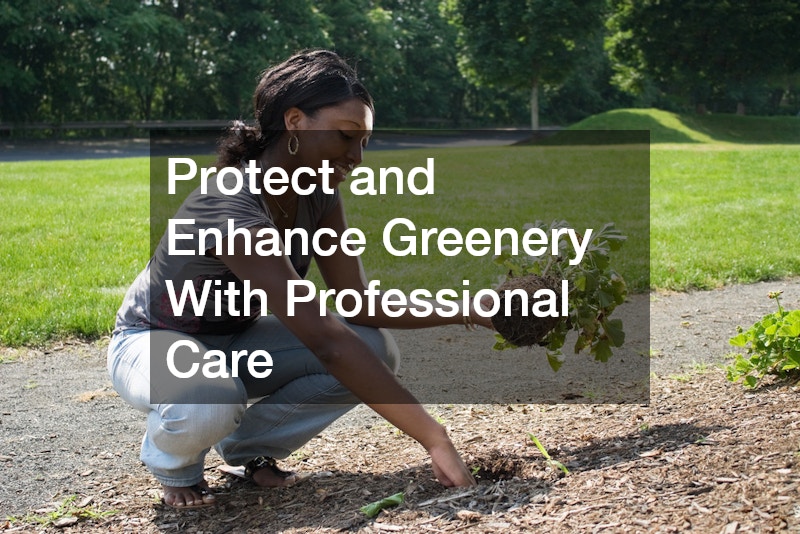
Healthy trees and plants play a crucial role in the overall look and functionality of your outdoor space. They provide shade, improve air quality, and enhance visual appeal. Beyond aesthetics, well-maintained greenery can also reduce soil erosion, regulate ground temperature, and create natural privacy barriers that make your outdoor areas more comfortable and usable.
Hiring tree care services can help you maintain the health and safety of your landscape. Professionals can identify potential issues early, such as disease, pest infestations, or structural weaknesses that may not be obvious to the untrained eye. They also have the proper equipment and expertise to perform precise pruning, which encourages stronger growth patterns and prevents overcrowding. In addition, they can safely remove hazardous branches or entire trees when necessary, reducing the risk of property damage or injury during storms or high winds.
Another key advantage of working with professionals is their ability to recommend long-term care strategies. This may include soil testing, fertilization schedules, and guidance on watering practices tailored to your specific environment. With expert input, you can avoid common mistakes like overwatering, improper trimming, or planting incompatible species too close together.
Proper placement of trees is equally important. Avoid planting too close to concrete structures, as roots can cause damage over time by lifting or cracking surfaces. This is especially important for patios, walkways, and driveways, where root expansion can compromise structural integrity. Instead, plan for adequate spacing and consider the mature size of each tree, not just its current dimensions. Think about how the canopy will spread and how the root system will grow over the years.
It’s also wise to account for sunlight and wind patterns when determining placement. Trees positioned strategically can provide shade during the hottest parts of the day, helping to cool nearby seating areas and reduce heat absorption from hard surfaces. Similarly, shrubs and smaller plants can be used to create windbreaks or define different zones within your outdoor space.
Best practices for maintaining greenery:
- Prune regularly to encourage healthy growth and remove dead or damaged branches before they become a problem
- Mulch around plants to retain moisture, regulate soil temperature, and suppress weed growth
- Monitor for pests and diseases, addressing issues early to prevent widespread damage
- Choose native or drought-resistant plants that are naturally suited to your region and require less maintenance
In addition to these core practices, consider seasonal upkeep as part of your routine. This includes fertilizing during active growing periods, adjusting watering schedules based on weather conditions, and preparing plants for extreme temperatures. Aerating soil, refreshing mulch layers, and trimming back overgrowth can also make a noticeable difference in plant health and appearance.
By investing in proper care, you can ensure your landscape remains vibrant and functional for years to come. A well-maintained green space not only complements your hardscaping features but also creates a more inviting, comfortable environment that you and your guests can enjoy in every season.
Define Property Lines While Boosting Privacy and Style
Fencing is an essential component of many outdoor spaces. It provides privacy, security, and a clear boundary for your property. Fence installation should be carefully planned to complement your overall design. Consider height, material, and style to ensure it enhances rather than detracts from your space. A wood fence is a popular choice due to its natural appearance and versatility. It can be customized with different stains, finishes, and designs to match your aesthetic.
Things to consider when choosing fencing:
- Local regulations and permit requirements
- Maintenance needs of different materials
- Desired level of privacy
- Compatibility with landscaping elements
Regular maintenance, such as staining or sealing, will help extend the lifespan of your fence and keep it looking its best.
Refresh Exterior Surfaces for a Cohesive Look
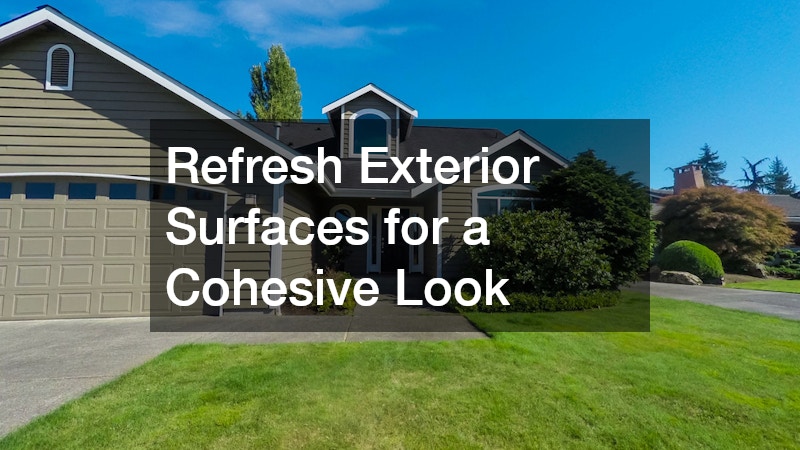
The appearance of your home’s exterior plays a significant role in tying your outdoor space together. Updating surfaces can create a polished, cohesive look.
Hiring experienced exterior painters ensures high-quality results and long-lasting finishes. They can help you choose colors that complement your landscaping and hardscaping features.
Working with a reputable painting company also provides access to professional tools and techniques, resulting in a more durable and attractive finish.
Tips for a successful refresh:
- Choose colors that harmonize with natural surroundings
- Use high-quality, weather-resistant paint
- Properly prepare surfaces before painting
- Schedule work during optimal weather conditions
A fresh coat of paint can dramatically enhance curb appeal and make your outdoor space feel complete.
Budget-Friendly Strategies for High-Impact Improvements
Improving your outdoor space doesn’t have to break the bank. With careful planning and smart choices, you can achieve impressive results within your budget.
Hiring an affordable painting contractor can help you update surfaces without overspending. Be sure to compare quotes and check references to ensure quality work.
Incorporating bull rock into your design is another cost-effective strategy. It’s an affordable material that adds texture and functionality without requiring extensive maintenance.
Ways to maximize your budget:
- Prioritize high-impact areas like patios and entryways
- Phase your project over time
- Mix DIY tasks with professional services
- Reuse or repurpose existing materials when possible
By focusing on value-driven improvements, you can create a beautiful outdoor space without exceeding your budget.
Combine Hardscaping and Softscaping for Maximum Functionality
A successful outdoor design balances hard surfaces with natural elements. This combination creates a space that is both practical and visually appealing. Working with a local concrete contractor ensures that hardscaping features like patios and walkways are properly installed and integrated into your design. At the same time, coordinating with tree care services helps protect existing greenery and ensures new plantings thrive alongside your hardscape.
Incorporating water features, such as fountains or small ponds, can also enhance the overall aesthetics and create a serene atmosphere. Additionally, thoughtful lighting can highlight key areas of the landscape, making the space inviting even after sunset. Ultimately, combining these elements leads to a cohesive outdoor environment that serves as a perfect retreat for relaxation and enjoyment.
Design tips for balance:
- Use plants to soften the edges of concrete features
- Incorporate varying heights and textures
- Create transitions between different zones
- Plan for seasonal changes in appearance
This balanced approach enhances both usability and aesthetics, making your outdoor space more enjoyable.
Plan for Long-Term Maintenance and Seasonal Adjustments
Maintaining your outdoor space is essential for preserving its functionality and appearance. A proactive approach can prevent costly repairs and extend the lifespan of your features. Regularly inspect your irrigation system to ensure it’s operating efficiently. Address any issues promptly to avoid water waste and plant damage.
A wood fence also requires ongoing care. Cleaning, sealing, and repairing minor damage will help it withstand weather conditions and maintain its appearance. In addition to these tasks, consider planting native plants that require less water and maintenance, which can enhance your landscape while being more environmentally friendly. Moreover, keeping pathways clear of debris and regularly trimming overgrown plants can enhance safety and ensure your outdoor area remains inviting for gatherings or relaxation. Regular attention to these details will create a vibrant outdoor space that you can enjoy year-round.
Maintenance checklist:
- Clean and seal concrete surfaces annually
- Inspect and repair fencing as needed
- Adjust watering schedules seasonally
- Trim plants and remove debris regularly
By staying on top of maintenance, you can keep your outdoor space looking and functioning at its best year-round.
Conclusion
Incorporating elements such as seating areas, lighting, and greenery can further elevate the ambiance and functionality of the space. Consider adding features like a fire pit or a water feature to create a welcoming atmosphere for gatherings and relaxation. Additionally, integrating native plants not only enhances the aesthetic appeal but also promotes sustainability by supporting local wildlife. With careful consideration and creativity, your outdoor space can truly become a personal oasis that reflects your style and invites you to enjoy nature.