Transforming an unused or outdated yard into a functional outdoor oasis is one of the most rewarding home improvement projects you can undertake. Beyond merely boosting your property’s curb appeal, a well-thought-out backyard extension enhances your everyday lifestyle, creating an inviting space for relaxation, family gatherings, and weekend entertainment. However, turning a patch of open land into a cohesive, beautiful living area requires more than just planting a few flowers or putting out a set of lawn chairs. It demands a clear vision, realistic financial planning, and a step-by-step strategy that balances aesthetic goals with structural durability.
A successful transformation requires looking beyond simple gardening to blend structural elements, living features, and clearly defined activity zones. When you view your yard as an extension of your home’s interior, the layout process becomes much more intentional. Grounding your ideas in sound planning prevents costly mistakes, such as improper drainage, unstable structures, or plants that outgrow their space. This comprehensive guide provides a step-by-step roadmap to assess your space, establish a flexible budget, hire the right field professionals, and combine hardscape and softscape elements into a master design. By systematically moving from initial concept to final installation, you can build an outdoor retreat that serves your needs for years to come.
Defining Your Vision and Assessing the Site

Before laying a single paver or digging up any turf, you need a comprehensive understanding of how you plan to use your property. Every successful outdoor renovation begins with a thorough site analysis and a clear functional blueprint. Take time to observe how your household moves through the existing yard during different times of the day. Consider whether your primary goal is to host large dinner parties, provide a safe play area for children and pets, cultivate an organic vegetable garden, or create a serene, private retreat for evening relaxation.
To turn these ideas into reality, begin mapping out distinct functional zones across your property. Analyze the natural traffic flow exiting from your home’s backdoor and determine how visitors will move toward outdoor destinations. Group complementary activities together while keeping conflicting uses separate. For instance, place outdoor cooking and dining stations near the kitchen door for convenience, while situating fire pits or quiet reading nooks in quieter corners of the lot. For homeowners dealing with awkward grading, tight boundaries, or complex sunlight patterns, collaborating with experienced backyard designers can turn abstract concepts into a precise, mathematically sound spatial plan. Professional spatial planning ensures that every square foot of your property is utilized efficiently without feeling cramped or disjointed.
In addition to spatial layouts, a deep understanding of your site’s physical conditions is critical to long-term project success. Every property possesses unique environmental characteristics, including varying sun exposure, prevailing wind patterns, and underlying soil structures. Walk your property after a heavy rainstorm to identify where water naturally collects or pools, as poor drainage can undermine structural footings and drown delicate root systems. Additionally, track how sunlight shifts across your yard from morning to late afternoon, as light availability directly dictates plant selection and shading needs.
Equally important is assessing your soil composition and grade changes. Heavy clay soils retain excessive water and compress easily, whereas sandy soils drain too rapidly to nourish vegetation without organic amendments. Testing the soil pH and nutrient levels early in the planning phase allows you to adjust the earth before any heavy machinery arrives. If your site plan involves leveling uneven terrain or removing dead vegetation to lay fresh sod, preparing the ground early prevents future erosion and settlement issues. Proper soil preparation and grade adjustments lay the necessary groundwork for a successful lawn installation, ensuring that new turf establishes deep, resilient root structures.
Assembling Your Project Team and Budget
A well-conceived design is only as effective as the budget and project schedule supporting it. Transforming an entire outdoor space involves multiple trades, variable material costs, and unexpected site surprises. Establishing a clear, realistic financial plan early prevents mid-project halts and allows you to prioritize features that offer the highest value and daily enjoyment. Start by listing every anticipated expense, including excavation, structural materials, softscaping, lighting, permits, and professional labor fees.
To keep your finances manageable, establish a flexible phasing plan that breaks the project into distinct execution stages. If your total vision exceeds your immediate budget, prioritize foundational work first, such as grading, drainage, electrical rough-ins, and heavy structural builds. Secondary enhancements like decorative plantings, custom accent lighting, or outdoor furniture can easily be added in subsequent seasons. Always allocate a contingency reserve of 15 to 20 percent within your initial budget. This cushion absorbs unforeseen expenses, such as hitting hidden underground ledge during excavation or requiring additional soil stabilization.
Once your budget framework and phasing schedule are established, the next crucial step is securing qualified professionals to execute your vision. While straightforward tasks like mulching or planting small shrubs can be satisfying weekend do-it-yourself projects, structural construction and complex grading require experienced trade specialists. Sourcing reputable contractors involves checking verified references, examining portfolios of past projects, and ensuring proper licensing, bonding, and insurance coverage before signing any contracts.
Selecting the right team requires matching the specialist to the specific scope of work required. For routine earth-moving, soil conditioning, irrigation setup, and planting, partnering with a dependable landscaping service ensures your softscape features receive proper care and installation. Conversely, if your project involves heavy masonry, deep footings, continuous grade changes, or large stone surfaces, hiring a dedicated hardscaping contractor is essential. Specialized structural builders possess the engineering knowledge, specialized machinery, and material expertise required to build ground structures that safely withstand freeze-thaw cycles and heavy load pressures.
Laying the Structural Foundation

With your project team selected and your financial plan in place, active construction begins with foundational site work. Groundwork is the most critical phase of any outdoor transformation, as every surface structure relies on a stable, well-drained foundation. Sloped or uneven terrain presents distinct challenges, often rendering large portions of a yard unusable while exposing lower elevation structures to water runoff and soil erosion. Resolving elevation challenges early creates flat, functional terraces while securing site safety.
When managing significant changes in elevation across your property, structural earth retention becomes a mandatory component of the design. Building an engineered retaining wall stabilizes sloped soil, converting sloped, unusable hillsides into level, usable tiers for dining, gardening, or recreation. However, long-term durability depends on proper internal drainage systems behind the structure. Without perforated drain pipes, filter fabric, and clean crushed stone backfill, hydrostatic water pressure can accumulate behind the wall, leading to bulging, tilting, or structural failure. Properly constructed retention systems protect your investment and preserve the structural integrity of your upper and lower landscape zones.
In addition to managing slopes, creating smooth transitions between your home’s indoor exits and outdoor living zones requires durable ground-level walkways and high-traffic pathways. Heavy foot traffic quickly wears down unpaved ground, resulting in muddy paths during spring rains and dust clouds during dry summer months. Establishing solid, well-constructed transit routes protects your lawn and guides visitors seamlessly through different functional zones of your yard.
Constructing long-lasting pathways and transition zones demands rigorous ground preparation, including deep excavation, geotextile fabric placement, and thorough compaction of an aggregate sub-base. Contracting a professional paving service guarantees that sub-base materials are compacted to the correct density and pitch, preventing settling, shifting, or water pooling. Whether you choose interlocking concrete pavers, natural flagstone, or poured surfaces, a correctly installed base ensures that high-use walkways remain level, attractive, and safe for foot traffic regardless of seasonal weather shifts.
Crafting Outdoor Living and Entertaining Hubs
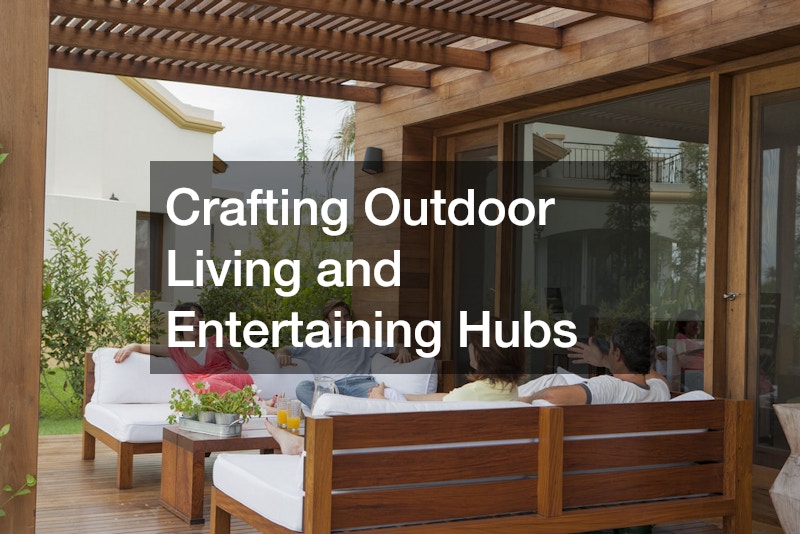
Once the underlying earthwork and transit pathways are secured, focus shifts toward crafting central gathering spaces where household members and guests spend the majority of their time outdoor. Outdoor living rooms function best when designed with specific furniture layouts and human dimensions in mind. When planning these primary hubs, account for table clearance, grill access, fire feature safety distances, and comfortable circulation space so guests can move around freely without feeling constricted.
The foundation of any outdoor entertainment area rests on choosing high-performing, weather-resistant ground surfacing. Custom-built patios serve as the primary functional anchor for outdoor dining sets, lounge seating, and cooking stations, providing a flat and stable platform underfoot. Selecting materials such as natural stone, slate, or textured concrete pavers allows you to match the architectural style of your home’s exterior while creating a seamless indoor-to-outdoor aesthetic. Proper joint sanding and protective sealing further safeguard these surfaces against stain penetration, weed growth, and weather wear.
While open entertainment hubs foster social interaction, a complete outdoor transformation must also address privacy, security, and spatial boundaries. Suburban yards often feel exposed to neighboring properties or busy streets, which can diminish the cozy, intimate atmosphere of your outdoor living area. Installing solid boundary structures creates a sense of enclosure, blocks unwanted wind gusts, buffers street noise, and keeps pets and young children safely contained within property lines.
Selecting and installing boundary enclosures requires balancing aesthetic goals with structural durability and local municipal regulations. Working with experienced fence builders ensures that boundary installations comply strictly with local zoning ordinances, property line setbacks, and maximum height restrictions. Professional installers also ensure that support posts are set below the frost line in concrete footings, preventing post-heave and structural sagging over time. Properly planned enclosures establish clean perimeter lines while framing your newly transformed yard.
Softscaping, Finishes, and Material Selection

With structural hardscapes and property boundaries securely installed, selecting the final materials and finishing touches brings warm texture and personality to your yard. Material choices directly impact both the visual character of your outdoor space and the amount of ongoing maintenance required to keep it looking pristine. Modern homeowners increasingly seek low-maintenance solutions that deliver long-term visual appeal without demanding continuous painting, staining, or structural repair.
When evaluating boundary materials for long-term endurance, synthetic materials offer significant performance advantages over traditional treated lumber. Installing a vinyl fence provides a sleek, modern perimeter boundary that never requires painting, staining, or waterproofing treatments. Highly resistant to moisture, insect damage, and rot, high-grade synthetic fencing maintains its color and structural stability through extreme sun and cold. Choosing durable finish materials allows you to spend more time enjoying your outdoor living space and less time managing routine upkeep.
The final layer of any complete backyard transformation is softscaping—the living elements that bring color, movement, scent, and natural softness to hardscape edges. Thoughtfully selected trees, shrubs, perennials, and groundcovers integrate hard structures into the natural environment, creating a balanced and harmonious landscape. When planning your planting beds, group plants with similar light, water, and soil requirements together to streamline irrigation and care routines.
Sourcing high-quality plant stock is essential to establishing a thriving, healthy garden layout that flourishes year after year. Sourcing your specimens directly from local garden centers gives you access to healthy, regionally acclimated trees, shrubs, and flowers, along with expert advice on soil conditioning and pest resistance. Knowledgeable nursery staff can help you select native species that support local pollinators and withstand regional climate swings. Combining structural evergreens for winter structure with perennial blooms for seasonal color guarantees year-round visual interest.
Bringing Your Ultimate Outdoor Vision to Life
Executing a full outdoor property transformation is a deeply rewarding journey that breathes new life into your home. By taking a deliberate, phased approach—moving systematically from site assessment and budgeting to structural hardscaping, boundary installation, and living plant selection—you avoid common remodeling pitfalls and create a space that genuinely enhances your daily life. Every stage of the process, from establishing level terraces to laying durable transit pathways and integrating easy-care foliage, contributes to a harmonious balance between structure and nature.
Ultimately, a well-planned backyard retreat extends your living footprint, elevates your property value, and offers a private sanctuary tailored to your specific lifestyle. Whether you are hosting weekend gatherings, cooking outdoor meals with family, or simply unwinding after a long day, thoughtful planning ensures your new outdoor space delivers comfort, beauty, and functional utility for years to come. Take the first step today by assessing your property layout, defining your priority uses, and starting the outline for your ultimate outdoor living space.