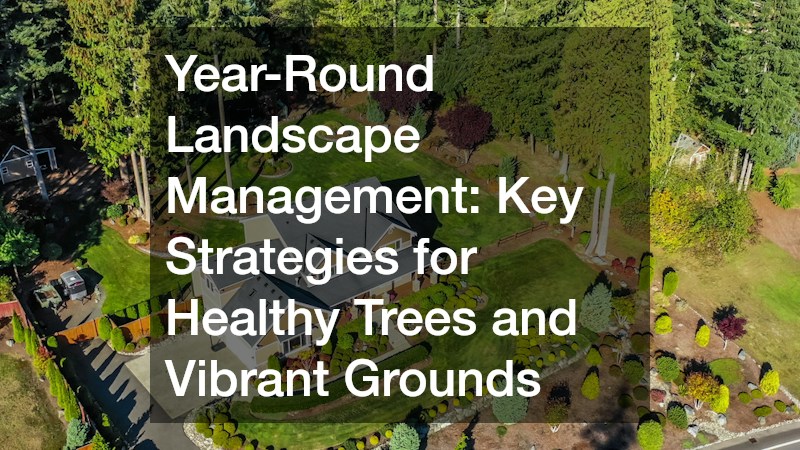
Maintaining a vibrant, resilient, and structurally sound residential landscape throughout changing weather cycles requires moving beyond basic summer lawn mowing and occasional leaf raking. A property’s surrounding grounds represent a dynamic, living ecosystem where soil health, lawn turf vitality, perennial garden beds, and towering shade trees continuously interact with changing environmental conditions. Seasonal temperature swings, heavy rainstorms, summer droughts, freezing winter frost cycles, and foraging wildlife subject residential grounds to non-stop environmental stress. Without structured, year-round management, minor landscape liabilities—such as compacted soil, nutrient-starved plant roots, unpruned tree deadwood, or invasive garden pests—can rapidly escalate into severe plant decay, costly storm damage, and diminished curb appeal.
Taking a proactive approach to seasonal landscape management transforms property upkeep from reactive, high-stress emergency interventions into a smooth, predictable routine of environmental stewardship. Every distinct season presents unique opportunities to strengthen your property’s natural defenses. Spring calls for deep soil enrichment, turf aeration, and structural plant feeding; summer demands efficient moisture conservation and targeted pest management; autumn focuses on leaf clearing, root conditioning, and winterization; while winter provides the ideal dormant window for structural tree pruning and hazard mitigation. Addressing seasonal needs systematically builds long-term plant immunity, preserves soil physics, and shields your home from severe weather damage.
Managing Canopy Architecture and Overhead Safety Through Seasonal Care
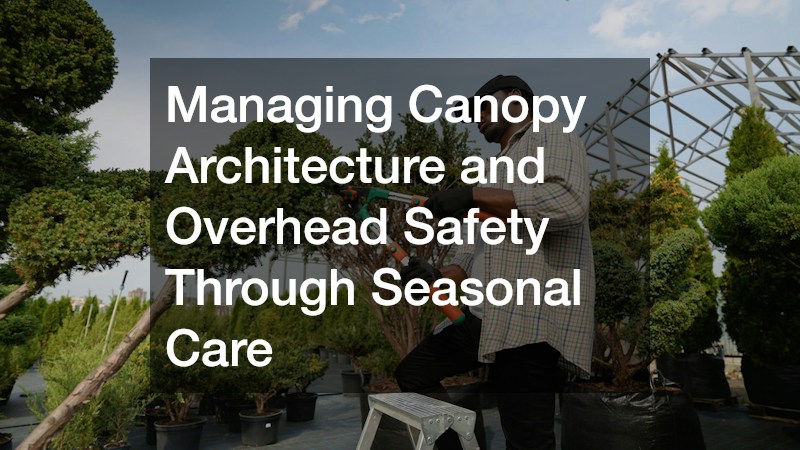
Mature shade trees serve as magnificent focal points across residential grounds, providing natural cooling shade, energy savings, and lush architectural framing for your home. However, unmonitored mature trees with heavy deadwood, internal trunk rot, or severe storm damage pose significant structural risks to house roofs, utility lines, and surrounding garden hardscapes during severe windstorms or heavy winter ice accumulation.
Scheduling routine tree services ensures that your property’s mature canopy undergoes thorough structural pruning, crown thinning, and hazard mitigation by experienced climbing technicians. Professional tree care teams remove heavy, overhanging limbs cleanly, balancing canopy weight and allowing storm winds to pass through harmlessly without tearing branches. Precision deadwood removal eliminates falling hazard risks while allowing sunlight to filter down to garden beds and lawn turf below.
Executing Routine Pruning and Crown Thinning for Year-Round Health
Pruning mature hardwood trees—such as white oaks, sugar maples, or pecan trees—requires specialized knowledge of tree biology, branch attachment physics, and seasonal growth cycles. Executing improper flush cuts, leaving long branch stubs, or “topping” mature trees destroys natural canopy architecture, creates open decay wounds, and triggers weak, hazardous epicormic sprout growth that breaks easily in future storms.
Executing structured tree maintenance during late winter or early spring dormant periods guarantees that your high-value shade trees are pruned using precise directional cuts that promote rapid wound closure. Master climbing technicians utilize specialized rigging ropes, lowering heavy limbs to the ground gently without impacting underlying lawns, fences, or flower beds. Their technical pruning preserves structural branch unions while removing diseased or crossing branches cleanly.
Relying on trained canopy specialists enhances the natural elegance and structural stability of your mature trees. Proper crown elevation opens up scenic views across your grounds while providing clearance for delivery vehicles along driveways. Expert pruning craftsmanship preserves tree vitality and protects your outdoor living space.

Consulting Horticultural Specialists for Custom Seasonal Yard Layouts
Creating an extraordinary landscape that complements your home’s unique architectural style requires partnering with established design professionals who possess deep horticultural knowledge and regional soil expertise. Attempting to execute complex softscape installations without professional spatial planning often leads to mismatched plant choices, overcrowded flower beds, and improper drainage that damages plant root systems over time.
Consulting experienced landscape designers enables homeowners to collaborate with creative planning teams that understand regional climate conditions, soil composition, and seasonal bloom cycles. Reputable design teams utilize advanced visual rendering tools to help you visualize plant groupings, stone patio layouts, and ambient low-voltage lighting features before earthmoving begins. Their technical specialists select drought-tolerant native plants and disease-resistant perennials that thrive naturally in your local microclimate.
Working with an accredited horticultural specialist guarantees that your landscaping project is constructed according to high industry standards and backed by comprehensive plant warranties. Professional planning teams manage site grading, soil conditioning, and automated irrigation system installations efficiently, creating a vibrant, low-maintenance grounds environment. Expert team selection establishes an enduring, elegant foundation for your outdoor sanctuary.
Partnering with Certified Trade Teams for Large-Scale Property Clearing
Executing large-scale canopy management across expansive residential grounds requires partnering with established arboricultural firms that possess the specialized heavy machinery, aerial lifts, and certified personnel needed to handle complex jobs safely. Low-bid operators lacking proper crane equipment or crane-rigging certifications often damage surrounding garden beds, driveway paving, and home structures during limb removals.
Partnering with a fully certified tree removal company enables property owners to execute major land clearing and timber removals safely and efficiently. Top-tier regional enterprises maintain fleet equipment—including 100-foot cranes, high-capacity wood chippers, and aerial bucket trucks—operated by trained field crews who adhere strictly to ANSI A300 safety standards. Their project managers provide clear, itemized written proposals outlining work scopes, safety controls, and job site cleanup protocols clearly.
Working with an accredited regional enterprise protects property owners against legal liability and structural property damage. Professional firms maintain active workers’ compensation insurance for all site personnel and handle municipal tree removal permit filings smoothly. Thorough enterprise evaluation ensures a safe, professional, and efficient canopy management experience.
Executing Safe Removal of Hazardous and Diseased Overhead Timber
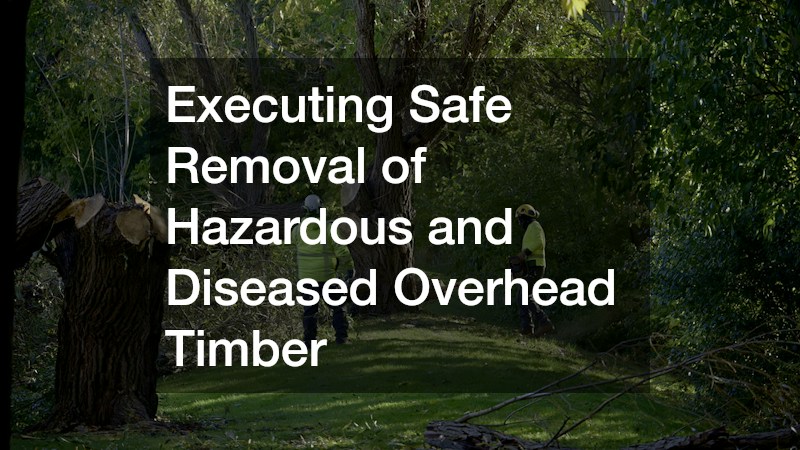
When a mature tree becomes severely diseased, structurally hollowed by heart-rot fungi, or destabilized by root decay following a storm, field preservation efforts are no longer safe or viable. Large, dying trees standing near residential home structures, driveways, or neighbor property lines represent severe liability hazards that demand fast, professional removal before catastrophic structural collapse occurs.
Arranging for professional tree removal guarantees that dangerous, large-scale timber extractions are executed with surgical precision using heavy-duty cranes, aerial bucket trucks, and specialized rigging systems. Trained field crews dismantle heavy canopy sections piece by piece, lowering massive timber sections to the ground safely without impacting surrounding garden beds or home roofs. Complete stump grinding removes below-ground root bowls, leaving a smooth, plantable surface.
Executing timely hazard tree removals protects your family, home, and surrounding property structures from severe storm damage and costly emergency restoration bills. Removing diseased trees stops infectious fungal pathogens and wood-boring insects from spreading to adjacent healthy trees. Professional removal execution restores site safety and opens up valuable sunlit space for new landscape features.
Scheduling Professional Structural Audits to Spot Hidden Canopy Risks
Because fungal decay, internal heart-rot, and root severance occur gradually inside trunks and underground, subtle tree hazards often develop long before visual canopy symptoms appear. Saturated soils, high wind loads, and heavy snow accumulation exert immense leverage on structurally compromised trees, leading to sudden trunk failure or root plate uprooting during storms.
Scheduling a scientific tree risk assessment every few years allows trained arborists to evaluate structural integrity using specialized sonic tomographs, resistograph drills, and root flare excavations. Certified inspectors evaluate internal wood density, calculate trunk sound-wood shell thickness, examine structural root flares, and assess target risks relative to surrounding home structures. Their technical report pinpoints exact structural defect zones and probability of failure accurately.
Proactive risk audits catch dangerous structural defects early, allowing for proactive cable bracing, crown reduction, or planned removal before catastrophic storm collapse occurs. Documented assessment reports also provide essential documentation for property insurance records following regional weather crises. Routine structural inspections represent a vital property management habit for maintaining outdoor safety.
Sourcing Bulk Organic Soil Materials to Nourish Seasonal Garden Beds
Continuous seasonal weathering, rainwater leaching, and plant nutrient uptake gradually deplete natural topsoil of organic matter, essential minerals, and beneficial microbial life. Compacted, nutrient-poor soil restricts plant root expansion, leads to rainwater pooling on surface lawns, and starves garden plants, leaving them vulnerable to summer heat stress and disease.
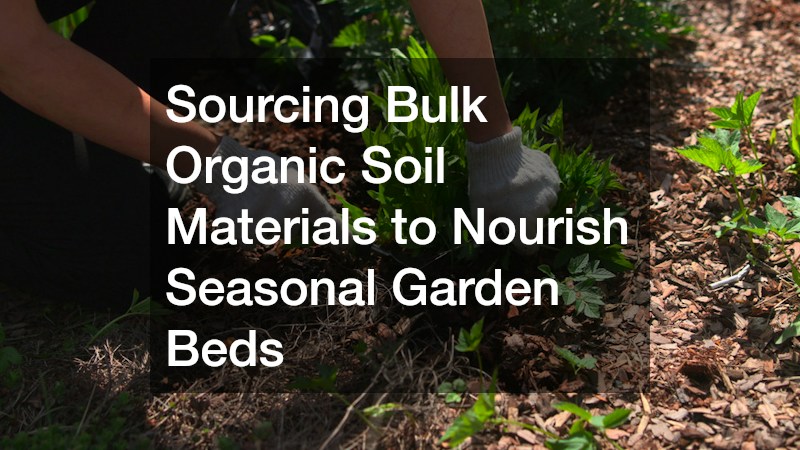
Ordering a professional topsoil delivery provides high-grade, screened organic soil mixtures rich in composted organic matter, aged humic acids, and essential plant nutrients directly to your property. Spreading a fresh top-dressing layer of organic soil across lawns and garden beds restores soil structure, improves water retention in sandy soils, and enhances aeration in heavy clay soils. Rich topsoil feeds earthworms and beneficial mycorrhizal fungi, unlocking natural nutrients for deep root absorption.
Nourishing your property grounds with high-quality organic soil enhances plant growth, promotes vibrant flower blooms, and establishes deep-rooted turf grass that withstands summer drought. Healthy soil physics reduce the need for synthetic chemical fertilizers and frequent watering, lowering ongoing maintenance costs. Bulk soil enrichment lays a nutrient-rich foundation for your entire landscape.
Implementing Humane Perimeter Defense to Protect Plants from Foraging Animals
Investing time and financial resources into cultivating beautiful ornamental gardens, flower beds, and young fruit trees can be undermined quickly by local wildlife. Deer, rabbits, voles, raccoons, and burrowing groundhogs view manicured residential landscapes as inviting feeding grounds, stripping bark from young trees, eating expensive perennial flowers, and digging destructive burrows through manicured lawns.
Implementing an integrated wildlife control strategy establishes humane, effective physical and sensory barriers that deter foraging animals without harming local ecosystems. Experienced landscape managers combine physical wire root guards, motion-activated water deterrents, eco-friendly organic taste repellents, and deer-resistant plant selections along garden perimeters. Enclosing delicate vegetable plots or young saplings with subtle mesh fencing stops animal intrusion completely.
Protecting your botanical assets from animal damage preserves garden aesthetic beauty and prevents costly plant replacement expenses every spring. Stopping burrowing pests prevents sub-surface soil tunneling that damages lawn turf roots and destabilizes stone paver walkways. Proactive perimeter defense maintains an undamaged, pristine grounds environment.
Evaluating Top Regional Enterprises for Emergency Storm Damage Fixes
Severe regional weather events—such as summer microbursts, severe thunderstorms, or winter ice freezes—can break heavy tree limbs or uproot mature trees without warning. Heavy, fallen timber resting on house roofs, blocking driveways, or entangling power lines creates high-stress emergencies that demand fast technical stabilization to prevent secondary structural damage.
Partnering with an established tree company that offers 24/7 emergency response ensures rapid site mobilization when unexpected storm damage threatens your family and home. Neighborhood-based field crews arrive equipped with heavy-duty chainsaws, cranes, and log loaders to clear fallen timber safely, deploying temporary protective tarps over damaged roofs immediately. Their physical proximity guarantees fast transit times and dedicated support during regional weather crises.
Having access to established local specialists provides an essential safety net during seasonal storm events. Local crews assist with insurance documentation, providing detailed photo evidence and written repair estimates to expedite claims processing. Swift emergency support eliminates physical hazards and restores household security quickly.
Consulting Certified Tree Specialists for Disease Diagnostics and Soil Health
Maintaining the long-term health, vitality, and economic value of mature shade trees requires going beyond basic branch trimming to focus on sub-surface soil health and biological pest control. Fungal leaf blights, bark beetle infestations, soil compaction, and root rot can weaken high-value trees silently, causing premature defoliation and gradual canopy decline if left untreated.
Consulting certified arborists ensures that your mature trees receive scientific diagnostic evaluations, root zone soil testing, and targeted biological health treatments. Certified arborists analyze root flare depth, evaluate soil compaction levels, and diagnose subtle insect infestations accurately. They prescribe specialized deep-root liquid fertilization, systemic micro-injections, and soil decompressed aeration treatments that restore tree vigor naturally without harming surrounding beneficial soil microbes.
Creating an extraordinary, resilient, and low-maintenance outdoor sanctuary requires organizing seasonal canopy management, scientific soil enrichment, landscape design, and wildlife defense into a single, cohesive property management plan. Protecting your property’s living assets prevents subtle soil depletion and hidden tree decay from turning into costly liabilities, preserving your property’s market value, curb appeal, and outdoor living enjoyment over time. Combining routine seasonal pruning with organic topsoil enrichment, tree risk audits, and humane pest control creates a resilient, high-performance grounds environment that shields your household against extreme weather events.
Relying on certified trade specialists across landscape design, arboriculture, and heavy equipment tree care guarantees that every phase of your outdoor care is executed according to strict engineering, safety, and horticultural standards. Working with qualified contractors for large-scale timber removals, deep-root fertilization, and emergency storm clearing protects your financial investment and ensures long-term property safety. Regular physical walkthroughs, soil enrichment, and seasonal canopy maintenance keep garden beds thriving and mature trees structurally sound year after year.