Starting pest control companies demands thorough planning and understanding of the industry, regulations, and marketing. It is crucial for maintaining public health and property safety by managing pest issues. This guide provides insights into establishing a pest control business, covering legal requirements, market research, necessary equipment, and best practices for management and growth.
1. What are the legal requirements to start a pest control company?
A. Licensing and Permits
Licenses and permits are crucial for legally operating a pest control company. Each state or region has specific requirements, so researching local laws is important. Obtaining a pest control license typically involves passing exams on safe pesticide usage and environmental protection. Some regions require attending certified training programs.
B. Insurance and Liability Coverage
Insurance and liability coverage are vital for risk management in the pest control business. General liability insurance protects against claims of property damage or bodily injury from your operations. Workers’ compensation insurance is crucial if you have staff, covering medical expenses and lost wages in case of employee injury.
C. Business Registration
The business registration process is crucial for formalizing your pest control company. It involves selecting a business structure, like a sole proprietorship, partnership, or corporation, and registering the business name with local authorities. Consulting with a legal or financial advisor is recommended to choose the best structure for your business plan.
2. How to conduct market research for a pest control business?
A. Identifying Target Customers
Identifying target customers is essential for tailored marketing strategies and service offerings. Consider the demographics and characteristics of potential clients, such as homeowners, commercial properties, or institutions. Engaging with local communities and conducting surveys can provide insights into customer needs and expectations.
B. Understanding Market Trends
Understanding market trends helps adapt to shifts in customer preferences and technological advancements. Environmental consciousness influences customer choices, leading to a demand for eco-friendly, non-toxic pest control solutions. Regularly analyzing industry reports and networking within the professional community keeps you informed of evolving trends.
C. Geographic Considerations
Geographic considerations significantly shape business operations and strategies. Regions may be prone to specific pests due to climate, urbanization, and agriculture, so understanding these patterns aids in offering targeted solutions and optimizing resources. Adapting to geographic and demographic distinctions ensures comprehensive service offerings that meet diverse customer needs.
3. What equipment is essential for pest control services?
A. Safety Gear and Equipment
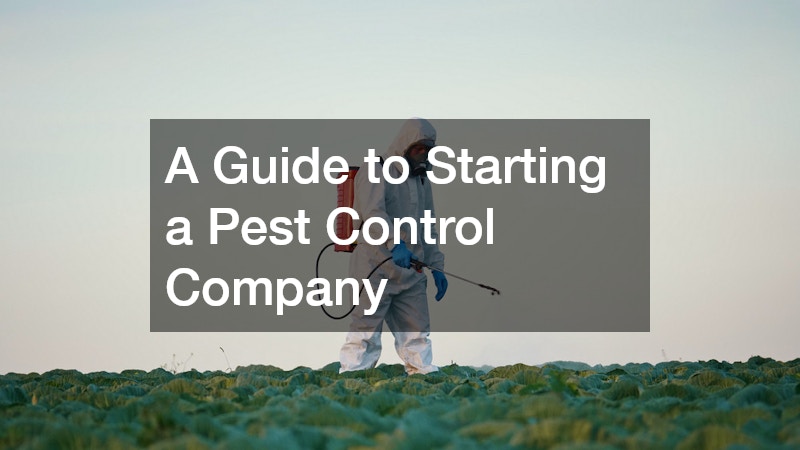
Ensuring the safety of your team and customers requires investment in appropriate safety gear such as respirators, gloves, goggles, and chemical-resistant clothing to minimize exposure to hazardous substances. Regular training and updates on safety protocols are critical to prevent accidents and maintain a safe working environment. Proper gear instills confidence in your clients about the safety of your operations.
B. Pest Control Tools and Chemicals
Having the right tools and chemicals is essential for effective pest control service delivery. Choose high-quality equipment like sprayers, foggers, and bait guns for precise application and efficiency. The selection of chemicals should align with the pests you aim to control, considering resistance and environmental impact. Staying updated on advancements in pest control products can offer more effective and eco-friendly treatment options.
C. Transportation
Vehicles and transportation are crucial for efficiently delivering on-site pest control services. Depending on operations, a fleet may include standard vehicles or specialized vans with storage for chemicals and equipment. Branding vehicles with company logos and contact information enhances visibility and serves as a marketing tool. Regular maintenance ensures reliability, avoiding disruptions.
4. What are the best practices for managing and growing a pest control business?
A. Hiring and Training Employees
B. Customer Relationships
Maintaining strong customer relationships is pivotal in securing repeat business and brand loyalty. A responsive customer service team promptly addresses queries and concerns, differentiating your company in a competitive market. Cultivating a customer-centric culture is key to expanding your business reach.
C. Financial Planning and Budgeting
Effective financial planning and budgeting are crucial for business stability and growth. Develop a comprehensive financial plan covering operational expenses, marketing, and emergency funds. Regularly reviewing financial statements and performance indicators helps identify improvement areas and informed decisions. Establishing a fair pricing strategy that considers market rates and your service value is important for profitability.
Starting a pest control company requires careful planning, understanding of regulations, and effective marketing. Combining legal compliance, targeted marketing, and efficient operations creates a foundation for growth and innovation. Continually assessing and evolving your strategies ensures your company’s relevance and customer satisfaction.