The sky turns an ominous shade of charcoal, the wind begins a low whistle through the eaves, and the first heavy drops of rain splatter against the glass. For many homeowners, this is the moment when a nagging sense of uncertainty creeps in. Is the roof truly sealed? Will that overhanging oak limb hold steady against sixty-mile-per-hour gusts? Preparing your home for major storms is not merely about reactive measures like taping windows or sandbagging doors at the last minute. It is a comprehensive plan that involves fortifying the building envelope and managing the surrounding landscape to create a multi-layered defense system.
A proactive approach to storm readiness considers the house and the land as a singular, interconnected unit. When the exterior is hardened against the elements, the interior remains a sanctuary. By focusing on structural integrity, professional assessments, and strategic landscaping, you can transform your home from a vulnerable target into a resilient fortress.
Evaluating the Integrity of Your Overhead Cover

The roof is arguably the most critical component of your home’s defense. During a major storm, it must withstand extreme pressure differentials and the physical impact of debris. A minor leak that seems insignificant during a summer shower can become a catastrophic failure point when subjected to hours of driving rain and high-velocity winds.
Conducting a thorough inspection starts at the ground level. Use binoculars to look for shingles that are curling, cracked, or missing entirely. If you notice an accumulation of granules in your gutters, it is a sign that the protective layer of your roofing material is reaching the end of its lifespan. To get a definitive answer on the state of your decking and underlayment, it is wise to consult with local roofing services that understand the specific weather challenges of your geographic region.
Material selection is the next pillar of overhead protection. If your roof is nearing the end of its functional life, consider upgrading to impact-rated shingles or metal panels. When preparing for these upgrades, sourcing your materials through a reputable roofing supply outlet ensures you are getting commercial-grade products designed to meet strict wind-uplift codes. High-quality underlayment and ice-and-water shields are the unsung heroes that prevent moisture from reaching the plywood when shingles are inevitably stressed by the wind.
- Check all flashing around chimneys, vents, and valleys for signs of corrosion or lifting.
- Clear gutters and downspouts to ensure water is diverted at least six feet away from the foundation.
- Inspect the soffit and fascia boards for rot, as these are common entry points for wind to get under the roof deck.
Strengthening the Building Envelope and Entry Points
Once the roof is secured, the focus must shift to the vertical surfaces of the home. The building envelope refers to the physical separator between the conditioned and unconditioned environment of a building. If wind manages to penetrate this envelope, it can create internal pressure that literally pushes the roof off from the inside.
Siding acts as the primary skin of your home, but its effectiveness depends entirely on how it is fastened. Over time, fasteners can rust or loosen, creating gaps where wind can catch a panel like a sail. If you have noticed any warping or “chattering” sounds during breezy days, it is time to call a siding contractor to perform a professional fastening audit. They can ensure that the house wrap beneath the siding is still providing an airtight and watertight barrier.
Windows and doors are the most common failure points during high-wind events. Standard glass can easily shatter from the impact of a stray branch or a piece of lawn furniture. Investing in a window replacement service to install impact-resistant or laminated glass provides a permanent solution that eliminates the need for plywood shutters. These modern units are designed to stay in the frame even if the glass is cracked, maintaining the pressure seal of the home.
- Caulk gaps around window frames and door casings to prevent driving rain from seeping into the wall cavities.
- Ensure all exterior doors have at least three hinges and a deadbolt with a minimum one-inch throw.
- Check garage door tracks and rollers, as the garage door is often the largest and weakest opening in the home.
Managing the Perimeter Canopy
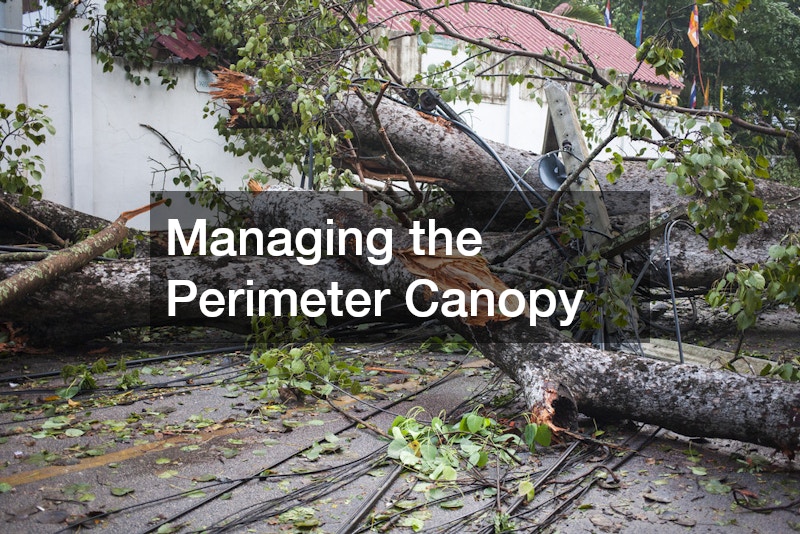
The trees on your property provide shade, beauty, and value, but during a storm, they can become liabilities. A healthy tree can usually weather a storm by flexing, but a tree with internal decay or an unbalanced canopy is a threat to both your home and your safety.
Identifying hazardous growth patterns is a skill that requires a keen eye. Look for “included bark” where two trunks meet in a tight V-shape, as these are prone to splitting. Regular tree trimming is the best way to thin out the interior branches of a tree, allowing wind to pass through the canopy rather than pushing against it. This reduces the leverage applied to the root system and prevents the tree from toppling over in saturated soil.
For trees that are in close proximity to the house or power lines, a more professional touch is required. Engaging with local tree services allows you to get a risk assessment from someone who can identify structural defects that are invisible to the untrained eye. They have the specialized rigging and equipment to remove heavy limbs safely without dropping them onto your hardscaped paths or roofing.
- Remove dead, dying, or diseased branches that could easily break off.
- Ensure there is at least a ten-foot clearance between any tree limbs and the roof of your house.
- Check for mushrooms or fungal growth at the base of the trunk, which often indicates root rot.
Fortifying Large-Scale Landscape Assets
Ensuring your greenery remains upright starts with a long-term biological strategy. A comprehensive residential tree service plan often includes specialized treatments like soil aeration and deep-root fertilization. Aeration counteracts the soil compaction that prevents root expansion, while deep-root injections deliver nutrients directly to the areas that stimulate anchor root growth. These treatments encourage trees to develop deeper, more expansive root systems that act as natural underground tethers. When a tree has a solid footing, it is significantly less likely to experience windthrow, a catastrophic event where the entire root ball is leveraged out of the saturated ground by high winds.
The remnants of past landscaping can also pose a hidden threat during periods of heavy flooding. Decaying stumps and their sprawling, subterranean root systems slowly rot away, creating invisible voids and “piping” channels in the earth. During a deluge, these voids can collapse under the weight of surface water, leading to localized sinkholes. By utilizing a professional stump grinding service, you effectively remove the source of this organic decay and allow for proper soil backfilling and mechanical compaction. This level of ground stability is especially important if you plan to install hardscaping like pavers or stone retaining walls, which require a perfectly level and unyielding base to survive the shifting pressures of a storm.
- Establish Positive Drainage Slopes: Grade the land so that it slopes away from the house at a rate of at least one inch per foot for the first six feet. This ensures that the thousands of gallons of water shed by your roof do not pool at the foundation.
- Optimize Mulch Placement: Use organic mulch to help absorb the energy of falling rain and prevent surface erosion, but ensure it is not piled against the siding where it can trap moisture and invite wood rot.
- Relieve Hydrostatic Pressure: Inspect retaining walls for clear weep holes that allow trapped water to escape from behind the masonry. This prevents the buildup of immense pressure that can cause a wall to “blow out” or lean during a saturated event.
Sourcing and Logistics for Storm Repairs

Preparation also involves knowing where to turn if the worst should happen. After a major disaster, the demand for labor and materials skyrockets, often leading to long wait times and inflated prices.
Building a relationship with your service providers before an emergency occurs is a major advantage. Knowing which local roofers have a reputation for honest pricing and quality craftsmanship can save you from the “storm chasers” who often descend on a neighborhood after a hail event. These local professionals are more likely to prioritize their existing clients when the phones are ringing off the hook.
If you are planning a large-scale renovation to harden your home, you can often find better value by looking at professional-grade suppliers. Many homeowners do not realize they can access wholesale windows and doors if they are purchasing in bulk for a full-home upgrade. This allows you to get higher-rated products for the same price as standard retail options, significantly increasing your home’s resilience without breaking the budget.
- Keep a digital and physical file of all warranties and contact information for your exterior contractors.
- Take “before” photos of your roof, siding, and trees every year for insurance documentation.
- Verify that any contractor you hire carries both general liability and workers’ compensation insurance.
Technical Maintenance for Hardscapes
Hardscaping, such as stone patios, walkways, and driveways, requires its own set of storm-ready protocols. While stone and concrete seem indestructible, the water that flows over and under them is a powerful erosive force.
Proper drainage is the key to preserving these expensive assets. If water is allowed to pool on a patio, it can seep into the joints and wash away the polymeric sand or mortar. This eventually undermines the base material, leading to shifting and cracking. During a storm, the sheer volume of water can turn a small drainage issue into a major washout that threatens the foundation of your home.
- Clear debris from French drains and catch basins to ensure they can handle a high volume of runoff.
- Inspect the joints of your pavers and replace any missing sand to maintain a locked, stable surface.
- Ensure that any outdoor furniture or heavy planters are moved to a sheltered area or weighted down.
The Psychological Peace of Preparedness

There is an undeniable psychological benefit to knowing your home is ready. When the weather alerts start appearing on your phone, the anxiety level in a prepared household is significantly lower. You aren’t rushing to the hardware store for the last roll of plastic sheeting; instead, you are simply performing a final walk-through of a system you have already built.
This peace of mind extends to your financial health as well. Insurance companies are increasingly looking at “mitigation credits” for homeowners who take documented steps to protect their property. By installing impact-rated windows, maintaining a clear canopy, and ensuring the roof is in top condition, you may even see a reduction in your annual premiums. More importantly, you avoid the deductible and the massive headache of a major claim.
The process of storm-hardening your exterior is an ongoing journey rather than a one-time task. It requires an annual commitment to inspection and a willingness to invest in quality materials and professional expertise. However, when you consider the alternative—the displacement of your family and the loss of irreplaceable personal items—the investment in your home’s exterior is the most logical choice a homeowner can make.
Creating a Legacy of Protection
Investing time and resources into your home’s exterior creates a lasting legacy of safety and value. A well-maintained property does more than just look good from the street; it stands as a testament to responsible homeownership and a commitment to long-term stability. By addressing the roof, the walls, and the landscape as a unified system, you create a buffer that protects your most valuable asset from the unpredictable whims of nature.
Remember that the best time to prepare for a storm is when the sun is shining. The work you do today—whether it is thinning out a heavy tree canopy, upgrading to impact-resistant windows, or ensuring your siding is locked tight—is what will determine how your home fares when the next big system rolls through. Take it one project at a time, consult with professionals when necessary, and rest easy knowing that your exterior is built to last. Your home is your sanctuary, and with the right preparation, it will remain exactly that, no matter what the weather brings.