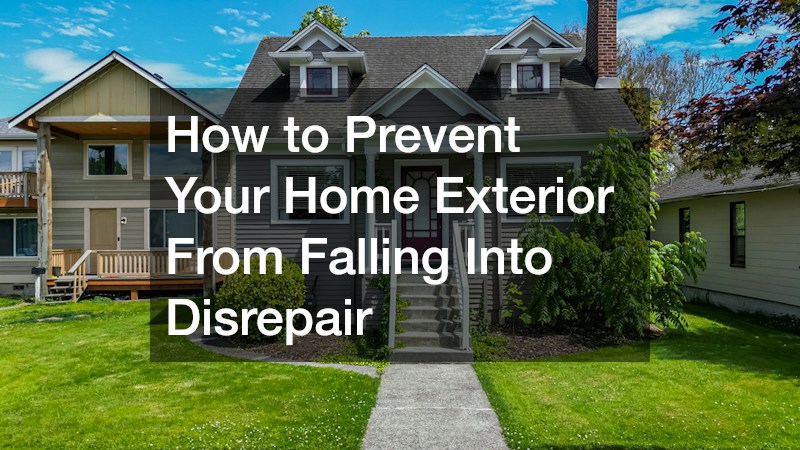
The exterior of your house serves as the first line of defense against severe weather, shifting temperatures, and environmental wear. While many homeowners focus their time and energy on interior remodeling projects like kitchen upgrades or bathroom refreshes, neglecting the outer envelope of your house can lead to catastrophic structural problems. A house that falls into disrepair not only suffers a massive hit in curb appeal and resale value, but it can also develop hidden water leaks, pest infestations, mold growth, and compromised foundational strength.
Preventing long-term structural decay requires a proactive mindset, routine inspections, and a consistent seasonal maintenance strategy. By addressing minor issues before they transform into major financial burdens, you protect both your structural investment and your peace of mind. Protecting your property involves taking care of your upper overhead defenses, fortifying the outer walls, managing ground drainage, and keeping your surrounding ecosystem healthy. Every component works together as an interconnected system designed to keep water, wind, and pests out.
Upper Envelope Defense Strategy

The primary protective layer of any home is its overhead coverage. When the top structure fails, water infiltrates the entire building structure, rotting wood framing, ruining insulation, and damaging interior drywall.
Perform Seasonal Visual Checks
To keep your overhead protective structure in top shape, you must stay vigilant with visual inspections at least twice a year. Walk around your property after heavy storms to check for missing shingles, cracked tiles, or warped panels. Using binoculars allows you to inspect high peaks safely from the ground. Look out for granule loss on asphalt materials, which often looks like dark sand settling inside your gutter channels.
When you notice warning signs early, reach out to an experienced roofing company to perform a thorough structural assessment. Certified professionals can spot subtle membrane compromises and flashing failures that an untrained eye might easily miss.
Address Leaks and Flashing Issues Promptly
Water will always find the path of least resistance. Over time, heavy rain and wind can lift shingles or tear away protective underlayments, creating direct channels for moisture to penetrate your attic.
- Inspect chimney step flashings and valley junctions every spring for gaps or rust.
- Clean out valleys to prevent leaves and pine needles from trapping moisture against the underlayment.
- Hire licensed roofers to replace missing fasteners or reseal exposed nail heads before torrential rain hits.
- Check interior attic spaces for daylight showing through the roof deck or water staining on rafters.
Catching minor leaks early avoids catastrophic framing rot. When repairs become too frequent, scheduling professional roof repairs ensures that the damaged underlayment is replaced correctly with high-grade waterproof barriers.
Maintain Specialty Overhead Systems
Different roofing materials require tailored maintenance procedures to maximize their intended lifespan. While standard composite shingles last a couple of decades, specialized systems can endure much longer if cared for properly.
For homes equipped with durable standing seam or corrugated paneling, working with a certified metal roofing contractor is essential for periodic inspections. These specialists verify that expansion joints move freely and that rubber washer screws have not degraded under harsh sun exposure.
For homes with heavy ceramic or concrete overhead covers, specialized care is equally critical. Enlisting qualified tile roofing services helps replace chipped or cracked tiles safely without fracturing the surrounding materials under foot pressure.
Inspect Attic Ventilation and Insulation Health
Proper attic ventilation is deeply connected to overhead longevity. Without adequate airflow, heat and humidity build up inside the attic space, causing wood rafters to warp and underlayments to deteriorate prematurely. In cold climates, trapped heat melts rooftop snow, leading to destructive ice dams at the eaves that force standing water back up under the shingles.
- Verify that soffit vents remain completely unblocked by loose insulation or pest nests.
- Inspect ridge vents and gable louvers to ensure steady air circulation through the upper space.
- Keep insulation dry, as damp fiberglass loses its thermal value and promotes wood rot.
- Check for signs of condensation on underside roof decking during extreme seasonal changes.
Siding and Perimeter Wall Protection
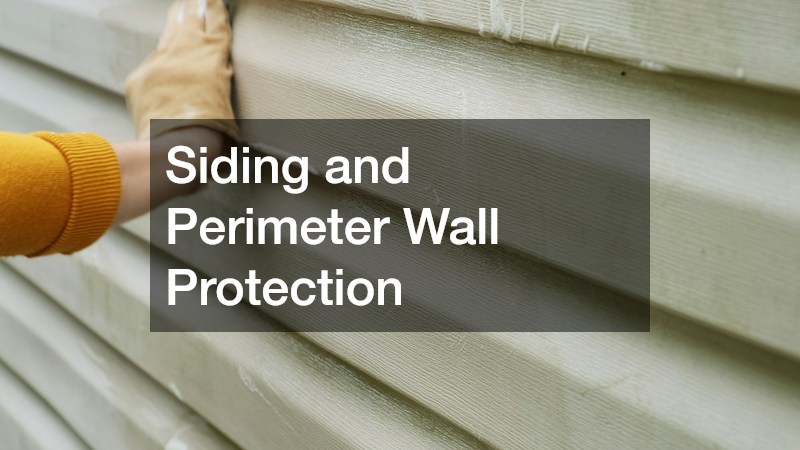
Your home exterior walls act as the shield against driving rain, high winds, and daily sunlight exposure. When siding cracks, warps, or separates, water gets trapped behind the panels, causing concealed timber rot.
Clean Wall Surfaces and Seal Perimeter Gaps
Dust, dirt, mold, and algae constantly accumulate on exterior walls. Over time, organic growth breaks down exterior paints, protective clear coats, and vinyl sealants.
- Wash vinyl, fiber cement, or brick surfaces annually using low-pressure power washing techniques.
- Avoid high-pressure settings that can force water behind wall panels or break window seals.
- Inspect the caulking around window frames, exterior doors, and pipe penetrations every fall.
- Scrape away dried, cracked caulk and reapply high-grade exterior elastomeric sealant.
Regular washing prevents staining and removes harmful spores before they eat through protective finishes. Keeping perimeter joints sealed tightly keeps water out and reduces air drafts, lowering energy bills.
Replace Damaged Panels and Trim Boards
High winds, hail, and lawnmower debris can easily crack lower wall panels or knock trim boards loose. Ignoring broken exterior cladding allows rain to soak directly into the house sheathing.
When entire sections of wall cladding show deep rot, warping, or insect damage, consulting local siding contractors ensures a seamless repair. Professional installers match panel profiles and ensure proper moisture barriers are applied behind the new cladding.
- Check baseboards near ground level for rot or subterranean termite damage.
- Paint exposed wood trim every five years to shield timber against moisture absorption.
- Ensure a two-inch gap exists between wall cladding and ground surfaces to prevent moisture wicking.
Fortify Doors, Windows, and Architectural Trim
Windows and doors represent vulnerable breaks in your exterior protective barrier. Over time, house settling and temperature fluctuations cause frame joints to shift, opening small gaps that invite moisture infiltration, drafts, and wood-destroying insects. Weatherstripping along door jams and window sashes dries out and splits after a few seasons of continuous use, compromising energy efficiency.
Re-caulking exterior trim boards annually using flexible, paintable polyurethane sealants prevents water from seeping into hidden wall cavities. Check wooden window sills for soft spots or peeling paint, as exposed wood rapidly absorbs rain and rots from the inside out. Installing high-performance drip caps above exterior window and door casings sheds water outward away from delicate frame joints.
Foundation, Drainage, and Soil Stabilization

Water management around your home foundation determines whether your house stands solid for decades or suffers costly settling, cracking, and basement flooding. Proper soil sloping keeps water away from your concrete slab.
Clear Gutters and Direct Downspouts Away
Gutters exist to catch gallons of water falling from your roof and guide it away from your foundation wall. Blocked gutters cause water to spill over the sides, pooling directly against basement walls.
Clean out leaves, twigs, and debris from gutters every autumn and spring. Install heavy-duty gutter guards if your home is surrounded by dense trees. Extend downspout elbows at least four to six feet away from the foundation perimeter using rigid pipe extensions or underground drainage lines.
Balance Soil Levels and Correct Sloping Issues
Over time, soil around a home settles, creating negative slope conditions where ground water flows toward the house instead of away. This standing water places pressure on basement walls and erodes foundational footings.
To remedy low spots and correct negative grading around the perimeter, apply dense select fill material to build up a firm slope. This stable dirt mix packs tightly, encouraging groundwater to run away from the building envelope safely.
- Maintain a minimum slope of six inches drop over the first ten feet away from the foundation.
- Keep soil levels at least four inches below siding or brick ledges to deter pest access.
- Fill deep ground depressions around patio slabs to prevent concrete sinking and cracking.
Install Underground Drainage Systems for Heavy Runoff
In regions prone to severe downpours or heavy seasonal snowmelt, surface grading alone may not manage excess volume effectively. Standing water in garden beds or pooling along concrete walkways indicates saturated subsoil that threatens footings. Installing subsurface drainage solutions prevents saturated earth from exerting hydrostatic pressure against underground walls.
French drains, catch basins, and dry wells intercept subsurface groundwater and direct it toward safe discharge zones. Keeping catch basin grates free of lawn clippings, mud, and fallen leaves keeps drainage systems working at full capacity during sudden rainstorms. Regularly flushing underground drain pipes with a high-pressure hose clears out trapped sediment before roots choke off the channel.
Groundskeeping and Tree Management
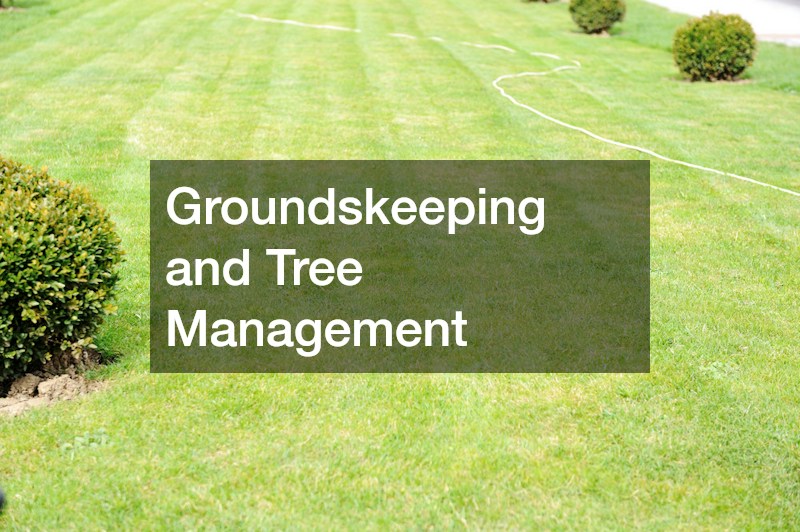
The landscape surrounding your house plays a massive role in exterior preservation. Overgrown trees, unmanaged lawns, and invasive roots can cause severe structural damage to roofs, siding, and underground pipes.
Prune Encroaching Trees and Overhanging Limbs
Heavy tree branches extending over your roof pose a constant threat. During winter ice storms or summer windstorms, thick limbs can snap and crush your roof structure. Furthermore, overhanging branches drop leaves into gutters and shade your roof, preventing moisture from drying out and promoting moss growth.
To keep large mature trees healthy and safe, utilize certified arborist services for professional crown thinning and dangerous branch removals. Expert tree care specialists assess structural tree integrity, remove deadwood, and trim branches away from your siding and roofline without harming the tree.
Maintain Turf Health and Soil Moisture Balance
A healthy yard does more than enhance curb appeal; dense grass roots hold soil in place and prevent erosion around your driveways, walkways, and foundation walls.
Investing in consistent lawn care ensures deep root structures that absorb excess surface rainwater naturally. Regular mowing, aeration, and balanced fertilization keep grass dense, stopping mud slides and soil washouts during heavy rainstorms.
- Aerate compacted soil annually to improve water infiltration and root growth.
- Adjust sprinkler heads so they do not spray water directly against siding or foundation walls.
- Use organic mulch in flowerbeds to retain moisture while preventing soil erosion.
Selecting quality landscape materials such as river rocks, crushed granite, or cedar mulch helps stabilize garden beds and keeps water flowing along intended drainage paths.
Prevent Pest Intrusions Through Exterior Vegetation
Thick bushes, invasive vines, and overgrown shrubbery planted directly against wall surfaces trap moisture against paint finishes and prevent air circulation. Furthermore, dense foliage provides climbing pathways for carpenter ants, mice, termites, and squirrels seeking entry into attics or wall cavities.
Maintain a clear buffer zone of twelve to eighteen inches between all exterior foliage and house walls. Trim back aggressive climbing vines like ivy, which attach suction pads directly into mortar joints and wood cladding, causing structural crumbling over time. Store firewood piles at least twenty feet away from the house structure and elevated off the wet soil to avoid attracting subterranean termite colonies near your foundation perimeter.
Protect Decks, Porches, and Attached Structures
Wooden decks, covered porches, and attached pergolas receive constant weather exposure, making them vulnerable to rot, board warping, and fastener corrosion. When water pools on horizontal deck boards or penetrates support post bases, structural integrity quickly degrades.
Inspect deck support footings annually for signs of soil shifting or concrete cracking. Treat exposed timber with clear waterproof sealants or deep-penetrating exterior stains every two to three years to block ultraviolet rays and moisture absorption. Replace rusted joist hangers, loose carriage bolts, and rotting steps immediately to keep attached outdoor living spaces secure and stable over time.
Preventive Exterior Maintenance Checklist
Keeping your home exterior in pristine condition requires organizing tasks into a manageable yearly schedule. By spreading chores across different seasons, exterior upkeep becomes an easy routine rather than an overwhelming job.
- Spring Checklist: Inspect roof shingles, clean gutters, check window caulking, re-grade perimeter soil, and turn on exterior water spigots.
- Summer Checklist: Power wash siding, touch up exterior paint, inspect decks and railings for rot, and trim back bushes away from walls.
- Autumn Checklist: Clean gutters after leaf drop, hire tree trimmers for dead limbs, seal foundation cracks, and store garden hoses.
- Winter Checklist: Check attic insulation for moisture, inspect roof valleys for ice dam formation, and clear heavy snow off low-hanging branches.
Following a structured seasonal checklist helps you catch subtle deterioration before it leads to major repairs. Maintaining the outer structure of your property requires steady effort, but the long-term payoff in structural stability and financial savings is immense. By monitoring your roof, protecting your wall cladding, managing ground drainage, and keeping trees pruned, you ensure your home remains safe, dry, and beautiful for decades to come.