A well-maintained yard is more than just an aesthetic enhancement; it directly affects the overall value, safety, and livability of your home. Neglecting outdoor maintenance can lead to structural damage, pest infestations, and costly repairs down the line. From overgrown trees and shrubs to cracked driveways and fading curbs, unattended issues can compound over time, creating bigger problems and reducing the enjoyment of your outdoor spaces.
Outdoor upkeep also influences the longevity of landscaping elements. Healthy trees and plants contribute to cleaner air, shade, and cooling benefits, while properly maintained hardscapes, like driveways, patios, and curbing, protect against erosion and structural instability. Efficient pest management keeps gardens healthy and reduces the likelihood of infestations that could damage plants or spread to the home interior.
In addition, a well-organized maintenance routine encourages consistent care that prevents minor issues from escalating. Regular inspections allow homeowners to spot early signs of disease in trees, wear in hardscapes, or pest activity before significant damage occurs. Thoughtful planning also provides the opportunity to make strategic improvements that enhance the functionality and visual appeal of outdoor spaces, such as adding new plantings, adjusting irrigation systems, or upgrading walkways.
Proactive maintenance is not just about avoiding problems; it enhances property value, supports environmental sustainability, and improves everyday comfort. A structured approach that balances professional services with DIY care ensures your yard remains vibrant, functional, and safe throughout the year. This guide provides comprehensive, actionable tips covering tree care, landscaping, hardscapes, driveways, and pest control, helping homeowners maximize both enjoyment and investment in their outdoor spaces.
Assessing Your Property and Creating a Maintenance Plan
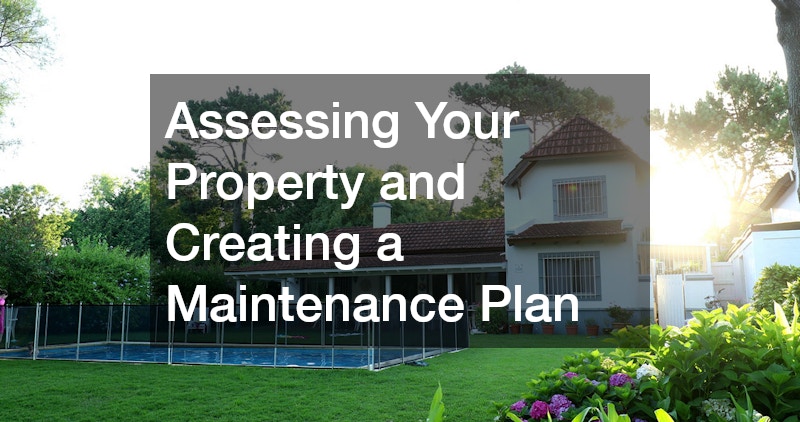
Before beginning any maintenance or upgrades, a thorough evaluation of your property is essential. Understanding what areas need the most attention allows homeowners to prioritize effectively and avoid unnecessary expenses. A systematic approach ensures no part of the outdoor environment is overlooked.
Adding to this, consider involving all members of the household in the evaluation process. Different perspectives can reveal overlooked problem areas or opportunities for improvement. Take note of high-traffic zones, areas exposed to extreme sunlight, and spaces prone to water accumulation. This holistic assessment ensures that every aspect of your yard, from plant health to hardscape condition, is accounted for.
Steps for a comprehensive assessment:
- Walk the entire property, noting areas with visible wear, overgrowth, or damage.
- Take photographs and make detailed notes to track seasonal changes and problem areas.
- Identify trees, shrubs, and plants that may require pruning, disease treatment, or removal.
- Examine hardscapes, such as patios, walkways, and curbs, for cracks, erosion, or other signs of deterioration.
- Note areas prone to pests or drainage issues, which could affect plant health and soil integrity.
Planning and prioritization:
- Develop a seasonal and annual maintenance schedule to ensure regular care.
- Allocate time and resources based on urgency, such as immediate tree removal versus longer-term planting projects.
- Decide which tasks can be performed DIY and which require professional expertise.
Engaging local landscapers at the planning stage ensures recommendations are practical and tailored to your property’s unique conditions. Professionals can provide insight into plant selection, soil health, and landscape design adjustments that homeowners might overlook. A clear plan not only simplifies ongoing maintenance but also helps prevent costly mistakes in the long term.
Tree Health and Care Basics
Trees are integral to outdoor spaces, providing shade, beauty, and environmental benefits. However, they require regular attention to remain healthy and safe. Neglect can result in disease, pest infestations, and potential hazards from falling branches.
Essential tree care practices:
- Inspect trees for signs of disease, such as discolored leaves, fungal growth, or unusual bark patterns.
- Prune dead or overgrown branches to improve airflow and sunlight penetration, which reduces disease risk.
- Fertilize and water appropriately, taking care not to overwater or use excessive chemical treatments.
- Mulch around the base to retain moisture and prevent weed growth.
Seasonal considerations:
- Early spring and late fall are ideal times for pruning and fertilizing.
- Monitor for signs of stress during extreme weather, such as drought or storms.
Tree nurseries offer a range of healthy, disease-resistant species suited for your climate and soil type. Working with nursery experts ensures new plantings have the best chance of thriving. Additionally, tree spraying can prevent pest infestations and fungal growth, maintaining the overall health of the landscape and protecting surrounding plants. Regular inspections and proactive treatment are key to long-term tree vitality and safety.
When and How to Use Professional Tree Services
Certain tree tasks require professional expertise to ensure safety and effective outcomes. Understanding when to hire experts can save homeowners time, prevent injury, and protect valuable trees.
Situations requiring professional tree services:
- Large-scale pruning or removal of hazardous branches.
- Treating infections or infestations that require specialized equipment or chemicals.
- Emergency tree removal after storms or structural damage.
- Routine inspections to maintain long-term tree health.
Local tree services can assess tree condition, identify potential hazards, and implement solutions efficiently. They have the proper tools, knowledge, and safety measures to handle large or complex tasks that homeowners should not attempt alone.
Tree removal is sometimes unavoidable for dead, diseased, or structurally unsound trees. Professionals minimize risk to property and surrounding landscaping while ensuring safe disposal. By combining DIY maintenance for small pruning tasks with professional intervention when needed, homeowners can maintain a safe, attractive, and healthy outdoor environment.
Planting for Long-Term Growth and Curb Appeal
Strategic planting enhances both aesthetics and environmental benefits. Choosing the right plants and positioning them correctly ensures long-term success while reducing maintenance burdens.
Best practices for planting:
- Select species suited to your soil type, sunlight, and climate conditions.
- Plan for optimal spacing to accommodate growth and prevent overcrowding.
- Consider plant height, root spread, and seasonal interest to maximize visual appeal.
Implementation tips:
- Prepare soil properly with appropriate amendments and fertilizers.
- Dig correctly sized planting holes to support root establishment.
- Water and mulch consistently during the first growing season to ensure successful growth.
Tree planting is not just about adding greenery; it’s a long-term investment in property value. Proper planning and execution improve shade, reduce energy costs, and enhance curb appeal. Working with local experts or tree nurseries ensures that selections are appropriate for your property and supported by proper care guidelines. Regular monitoring and maintenance following planting are essential for long-term success.
Hardscape Maintenance: Paths, Patios, and Borders
Hardscapes provide structure, functionality, and aesthetic appeal. Regular upkeep prevents deterioration and maintains safety.
Key maintenance tasks:
- Inspect walkways, retaining walls, and curbing for cracks, erosion, or uneven surfaces.
- Clean surfaces to remove dirt, moss, and debris that can accelerate wear.
- Repair damaged areas promptly to prevent further degradation.
Landscape curbing services enhance visual appeal while containing soil, mulch, and decorative stones. Properly installed curbing prevents erosion, defines planting beds, and improves overall yard structure.
Local paving company expertise can ensure that driveways, patios, and other paved areas are installed or repaired correctly. Professionals provide durable solutions and recommend materials and designs that reduce long-term maintenance needs. Integrating hardscape maintenance into a regular schedule maintains both function and beauty throughout the property.
Driveway Care and Longevity
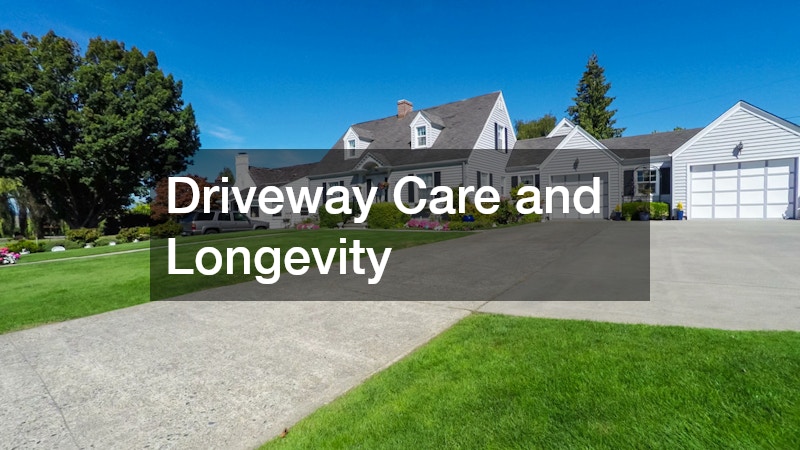
Driveways are often the first physical impression of a property. Proper maintenance enhances appearance, prevents structural damage, and extends lifespan.
Essential tips:
- Inspect for cracks, potholes, and surface wear regularly.
- Address minor damage before it becomes a major repair.
- Clean and remove oil stains, moss, and debris to prevent deterioration.
Driveway sealcoating is a cost-effective preventive measure that protects surfaces from moisture, UV rays, and everyday wear. Coordinating with a paving professional ensures even coverage, long-lasting results, and proper surface preparation.
Regular upkeep also improves safety, reduces vehicle wear, and enhances curb appeal. A well-maintained driveway complements surrounding landscaping, creating a cohesive and attractive outdoor space. Even small investments in repair and sealing yield significant long-term benefits for both function and aesthetics.
Pest Management Strategies for a Healthy Yard
Pests can undermine the health of plants, trees, and lawns. Effective pest management preserves plant health, protects structural elements, and improves overall outdoor enjoyment.
In addition, encouraging natural predators, such as birds and beneficial insects, can help reduce pest populations without relying solely on chemicals. Using companion planting techniques, where certain plants repel harmful insects, also strengthens overall yard resilience. Regular soil testing ensures healthy plant growth, making plants less susceptible to infestations. By combining these preventive measures with professional support, homeowners create a balanced and thriving outdoor environment.
Preventive strategies:
- Maintain proper spacing between plants to reduce moisture buildup and discourage insects.
- Remove debris, fallen leaves, and standing water that attract pests.
- Monitor for early signs of infestation, such as chewed leaves or unusual plant discoloration.
Local pest control services can handle challenging infestations, apply targeted treatments, and provide ongoing monitoring. Professionals ensure that chemical applications are safe, effective, and compliant with local regulations.
Integrating pest management with routine yard care prevents minor problems from becoming significant issues. Healthy, pest-free plants are more resilient, improving both longevity and visual appeal. Consistent monitoring and proactive treatment protect the investment homeowners make in their outdoor spaces.
Seasonal Outdoor Projects and Tips
Different seasons require specific attention to maintain a healthy and attractive yard. Seasonal planning ensures all elements receive appropriate care throughout the year.
Homeowners can use seasonal tasks to address both preventive maintenance and aesthetic improvements. For example, early spring is ideal for planting and soil preparation, while late summer focuses on irrigation adjustments and pest monitoring. Fall offers opportunities for leaf cleanup, mulching, and preparing trees for winter dormancy, and winter provides a chance to plan upcoming projects and protect vulnerable plants from harsh weather conditions.
Spring:
- Plant new trees and shrubs.
- Prune dead or damaged branches.
- Fertilize lawns and garden beds.
Summer:
- Inspect irrigation systems and adjust watering schedules.
- Apply pest control measures and monitor for disease.
- Mulch garden beds to retain moisture and reduce weeds.
Fall:
- Clean up leaves and debris.
- Prepare trees and plants for winter by adding mulch and protective coverings.
- Inspect hardscapes for damage and repair as needed.
Winter:
- Monitor snow and ice for damage to trees and structures.
- Protect young or sensitive plants from freezing temperatures.
- Plan spring planting and maintenance projects in advance.
Seasonal awareness ensures proactive care, preventing costly damage and keeping outdoor spaces attractive and functional year-round.
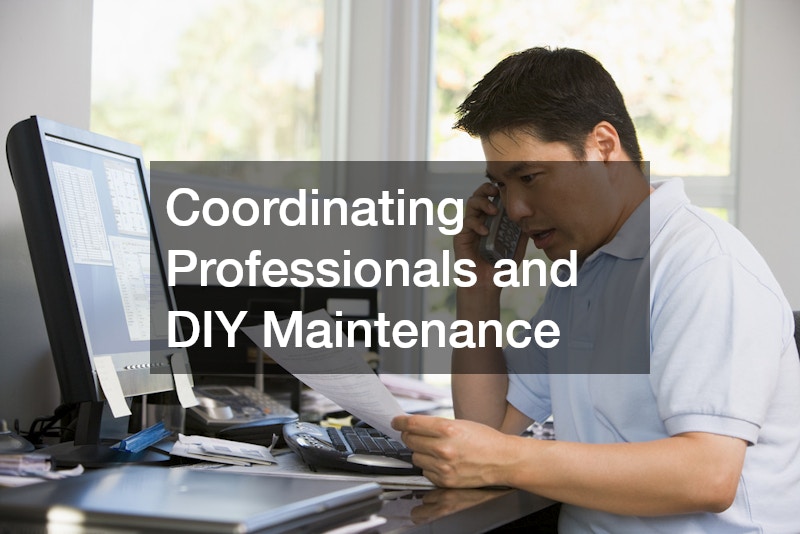
Coordinating Professionals and DIY Maintenance
Maintaining a cohesive outdoor space requires a balance between professional services and homeowner efforts. Knowing which tasks to tackle yourself and when to hire experts maximizes efficiency and reduces costs.
In addition, clear communication with service providers helps prevent misunderstandings and ensures projects are completed on schedule. Discussing expectations, timelines, and desired outcomes with professionals allows homeowners to align maintenance efforts with their overall vision for the property. Prioritizing tasks based on seasonal needs and urgency further streamlines workflow, preventing overlapping projects and unnecessary expenses.
Tips for coordination:
- Create a checklist of tasks that require professional expertise versus DIY care.
- Schedule regular maintenance with landscapers, tree services, and paving professionals.
- Track progress with photos and notes to monitor long-term improvements.
Regular coordination ensures that tree planting, removal, spraying, hardscape repair, and pest control are all aligned with a comprehensive maintenance plan. Combining expert services with routine homeowner care creates a sustainable and visually appealing outdoor environment while preserving property value and safety.
Comprehensive outdoor maintenance requires consistent attention, planning, and the right mix of professional and DIY strategies. From tree care and planting to hardscape upkeep, driveways, and pest management, proactive maintenance preserves property value, enhances aesthetics, and ensures safety.
Engaging local experts when necessary and integrating seasonal routines allows homeowners to create outdoor spaces that are both functional and beautiful. A well-maintained yard provides enjoyment year-round, reduces unexpected costs, and supports long-term plant and structural health. By taking a structured approach to landscaping, homeowners protect their investment, improve curb appeal, and create a welcoming environment for family, guests, and the community.
Moreover, comprehensive maintenance contributes to environmental sustainability and neighborhood appeal. Healthy trees and properly managed plantings improve air quality, conserve soil, and support local wildlife, while well-maintained hardscapes prevent erosion and runoff issues. Regular upkeep also fosters safety, reducing hazards from damaged walkways, falling branches, or pest infestations. Over time, the benefits compound: homes with thoughtfully maintained outdoor spaces not only look more inviting but also tend to sell faster and at higher values. By committing to consistent care, homeowners transform their properties into enduring, functional, and beautiful spaces that provide both practical and emotional rewards for years to come.